A House Ready for the First Frost: A Gentle Seasonal Round
A first-frost seasonal round helps you notice chilly routines, gather indoor comforts, and choose modest autumn tasks before colder days settle in.

A first-frost seasonal round begins with the places you already feel the weather: the chair beside a cool window, the kitchen floor before breakfast, the blanket that never quite stays within reach. Preparing for colder days need not mean turning the house upside down. A few attentive observations can show where comfort is missing and which small household tasks are worth doing now.
Think of this as a gentle change in household rhythm, not a race against the forecast. Walk through the rooms at ordinary times of day. Notice what you reach for, what you avoid, and which routines become awkward when the air turns cold. Then make a short plan that fits the house you have.
When should you begin a first-frost seasonal round?
Begin when mornings feel cooler and you start closing windows earlier, rather than waiting for the first hard frost. That gives you time to gather ordinary comforts and arrange manageable jobs without treating every chilly day as an emergency.
Choose a quiet moment when the house is in use. A room can feel different when it is empty than when someone is reading, cooking, or putting on shoes. Pay attention during the routines that matter to you: getting out of bed, making tea, settling down in the evening, or drying coats after a damp walk.
Write down only what you actually notice. “Cold by the back door at breakfast” is more useful than “prepare whole house.” “Need another throw near the sofa” is a decision you can act on. A brief note also keeps seasonal planning from becoming an open-ended list of imagined problems.
How can you spot drafty routines without starting repairs?
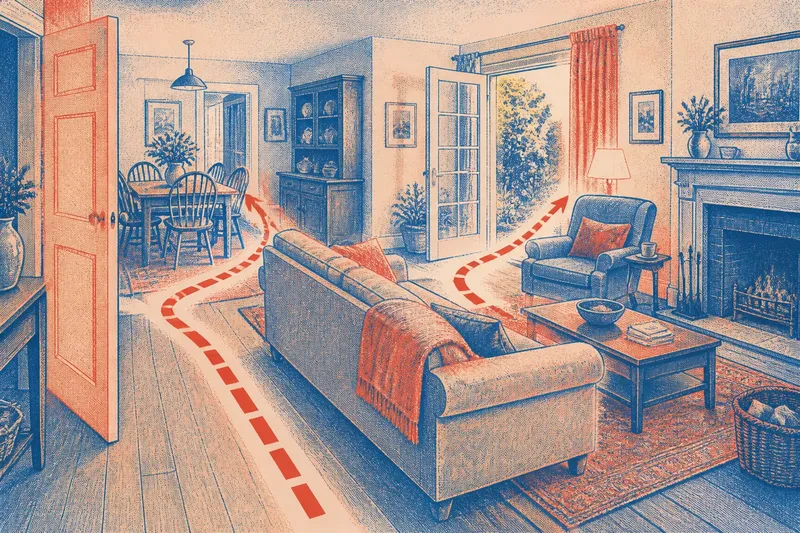
Look for patterns in where you feel chilly and when. A cool patch near a doorway, a curtain that shifts when the door opens, or a seat no one chooses in the evening can point to a routine that would benefit from a simple change. These observations are not a diagnosis of the building; they help you decide what is worth adjusting in daily life.
Notice how doors and windows are used. A door left ajar while someone carries in groceries may make the kitchen feel colder than a window that is closed all day. A frequently opened window over a sink may be useful for airing the room but uncomfortable during a long meal. The practical question is not simply where cold air exists, but which habits bring it into the rooms when people are there.
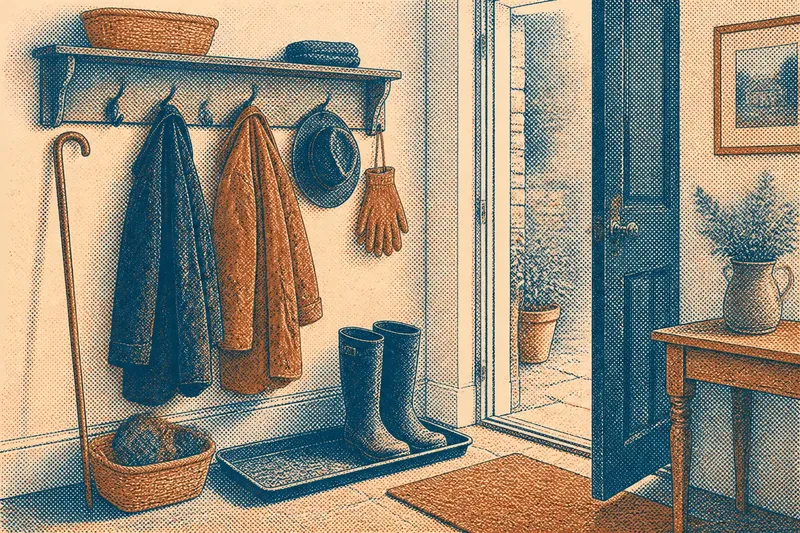
Say you notice that the back entry feels chilly whenever a family member comes in with muddy boots. You might move a washable mat closer to the threshold and keep a warm layer on a hook just inside, then see whether the arrival routine feels easier. That invented situation changes the household arrangement; it does not claim to solve a building defect.
If a room remains unusually cold, damp, or uncomfortable despite ordinary adjustments, seek appropriate help rather than attempting work that needs a qualified tradesperson. For household products or any work affected by safety instructions or local rules, follow the label, manufacturer guidance, or applicable requirements.
Which indoor comforts are useful to gather first?
Start with the objects that support a routine, not with a seasonal display. Bring a throw to the chair where someone reads, set a small basket of wool socks near the bedroom, or place a tray for tea things where it is easy to use. A comfort earns its place when it is close at hand and suits the room’s daily life.
Look through what you already own before buying anything. A spare blanket from a cupboard may be more useful on a bedside chair than folded away for visitors. A pair of slippers by the kitchen door can make a cold-morning routine more pleasant. Keep items clean and dry, and store them where the people who need them can find them.
Light and sound can matter as much as warmth. A reading lamp that is easy to switch on makes an early evening feel less abrupt. A kettle, a favorite mug, and a clear place to set them can support a small pause after work outdoors. These are modest comforts, not solutions to every cold room.
It is not worth buying a matching set of blankets, cushions, and accessories simply because autumn has arrived. Choose what fills an actual gap. Unused seasonal objects still need storage, care, and attention.
What modest household tasks belong on an autumn list?
Choose tasks that are small, visible, and suited to your household. The aim is to remove a little friction before colder weather makes everyday jobs less pleasant, not to complete every possible preparation in one weekend.
- Wash and put away lightweight throws, then bring out the ones you use in cool weather.
- Check that the coat hooks and shoe area can handle wet outerwear without blocking ordinary use.
- Clear fallen leaves from the immediate entrance path if that is a routine you can manage safely.
- Look over spare blankets and linens for dampness or musty smells before storing them near a bedroom.
- Set aside a basket or tray for gloves, hats, and scarves that are currently scattered through the house.
- Make a note of household supplies that are genuinely running low, rather than buying a broad collection “just in case.”
- Choose one small room-care task, such as dusting a lamp shade or washing a washable mat, and leave larger jobs for another time.
Keep the list flexible. A task can wait if the weather changes, another household need takes priority, or the job turns out to involve more than ordinary care. Seasonal readiness should make home life easier, not create a new source of pressure.
How should you decide which rooms need attention?
Give priority to rooms where people spend time during the cooler part of the day. A bedroom used before dawn, a kitchen where someone sits with breakfast, or a living room occupied after sunset may matter more than a spare room that is rarely entered.
For each room, ask what would make its normal use more comfortable. In a bedroom, it might be a warmer robe within reach. In a sitting room, it might be shifting a reading lamp so the preferred chair is easy to use. In a kitchen, it might be keeping a dry towel near the back entrance for wet hands and damp coats.
Consider the household members who use each space. Someone who spends time on the floor may appreciate a clean rug; a person who finds buttons difficult may prefer a warm layer that is simple to put on. These details are more useful than trying to make every room feel equally “seasonal.”
What questions help you plan for the first frost?
What should I do before the first frost?
Notice which rooms feel uncomfortable during ordinary routines, then gather the blankets, clothing, and household items that address those specific needs. Add only manageable care tasks, such as washing a throw or clearing a frequently used entrance area.
How do I make a home feel warmer without a major project?
Keep warm layers near the places where people sit or change clothes, and make evening lighting easy to use. A dry mat, a nearby pair of slippers, or a blanket placed over a favorite chair may help a routine feel more comfortable without changing the building.
Should I buy new seasonal decorations?
Only if you want them and have a place to store them afterward. A few useful objects already in the house can create a seasonal feeling through use, while extra decorations may add clutter without meeting a household need.
What if one room stays cold?
Try ordinary, reversible adjustments to how the room is used, such as changing where a person sits or keeping a warm layer nearby. If the discomfort is persistent or comes with signs of dampness, consult a suitable professional rather than attempting technical work yourself.
How can you keep the seasonal round from becoming a long project?
End each pass through the house by choosing a few actions, not by adding every observation to a master list. Separate things you can do now from concerns that need another person’s advice, and let minor inconveniences remain minor. The point is to prepare for the weather you are beginning to feel, not to anticipate every possible problem.
It can help to leave a small note where the household already looks: beside the calendar, on a kitchen noticeboard, or in a notebook near the phone. Record the room, the routine, and the next modest action. Avoid assigning an elaborate schedule unless your household genuinely benefits from one.
A first-frost seasonal round works best when it respects the character of the home and the people who live in it. The useful preparation may be as simple as moving a blanket, making room for wet coats, or noticing that a particular chair is no longer pleasant at dusk. Keep the first-frost seasonal round modest, and revisit it after the weather changes: the house will show you which small comforts are earning their place.